 https://myrickmech.com/wp-content/uploads/2026/03/Air-Conditioner-mini-split-system.jpg
1250
2000
Abstrakt Marketing
/wp-content/uploads/2025/06/Logo.png
Abstrakt Marketing2026-04-01 12:18:522026-04-01 12:18:56Single-Zone vs Multi-Zone Ductless Units Comparison: Which Installation Is Right for You?
https://myrickmech.com/wp-content/uploads/2026/03/Air-Conditioner-mini-split-system.jpg
1250
2000
Abstrakt Marketing
/wp-content/uploads/2025/06/Logo.png
Abstrakt Marketing2026-04-01 12:18:522026-04-01 12:18:56Single-Zone vs Multi-Zone Ductless Units Comparison: Which Installation Is Right for You?Why Spring Is a Critical Time for Commercial HVAC Maintenance
Spring is a transition period where HVAC systems shift operating modes, workloads change, and latent issues become visible. For commercial buildings, this timing matters because failures during peak season are more disruptive and more expensive. Service availability tightens, emergency repairs carry higher costs, and downtime impacts occupants or tenants directly. Spring commercial HVAC maintenance reduces those risks by stabilizing performance before demand spikes.
From an operational standpoint, spring is also when maintenance can be planned with minimal disruption, making it the most cost-effective time to address system health.
What a Commercial HVAC Maintenance Checklist Should Cover
A proper commercial HVAC maintenance checklist goes beyond visual inspections or filter changes. It should address system performance, safety, airflow, and control accuracy across all major components. Because commercial systems vary by building type, checklist items may differ, but core focus areas remain consistent.
A comprehensive spring checklist typically includes attention to:
- Mechanical components such as fans, belts, bearings, and motors
- Heat transfer surfaces including evaporator and condenser coils
- Airflow pathways through filters, ductwork, and dampers
- Refrigerant performance and operating pressures
- Electrical connections, controls, and safety devices
This structured approach ensures preventative HVAC maintenance addresses both immediate issues and long-term reliability.
Equipment Inspection and Mechanical System Checks
Mechanical inspections are the foundation of spring commercial HVAC maintenance. Components that move or rotate are subject to wear, misalignment, and fatigue. Ignoring these areas often leads to inefficiencies or breakdowns once systems run under heavier cooling loads.
During spring inspections, facility teams or service partners should verify that belts are properly tensioned, bearings are lubricated, and motors operate within normal amperage ranges. Fans should spin freely without vibration, and mounting hardware should remain secure. Catching mechanical issues early reduces strain on other components and improves overall efficiency.
Coil Cleaning and Heat Transfer Performance
Dirty coils are one of the most common contributors to poor HVAC performance. When coils are fouled with debris, dust, or biological growth, heat transfer efficiency drops dramatically. The system compensates by running longer and harder, increasing energy consumption and wear.
Spring is the ideal time to clean both evaporator and condenser coils. Clean coils allow refrigerant to absorb and reject heat efficiently, improving cooling capacity and reducing runtime. For commercial buildings, coil cleaning is a core element of preventative HVAC maintenance and should never be skipped.
Airflow, Filters, and Indoor Air Quality
Airflow problems often show up as comfort complaints, uneven temperatures, or excessive runtime. In commercial buildings, airflow restrictions can reduce comfort and also increase energy use.
Spring commercial HVAC maintenance should include replacing or upgrading filters based on building needs and verifying that airflow paths are unobstructed. Outdoor air dampers and economizers should be inspected to ensure they open and close properly. Balanced airflow supports both energy efficiency and indoor air quality—two priorities in HVAC maintenance for businesses.
Refrigerant and Cooling Performance Testing
Refrigerant performance is critical to cooling efficiency, yet it’s often overlooked until problems arise. Low refrigerant levels, improper charge, or system imbalances reduce cooling capacity and force compressors to work harder than necessary.
Professional spring maintenance includes checking refrigerant pressures, temperatures, and system performance under operating conditions. Because refrigerant handling requires specialized training, this portion of the commercial HVAC maintenance checklist should always be performed by qualified technicians.
Electrical, Controls, and Safety Verification
Loose connections, failing contactors, or drifting sensors can cause intermittent operation, short cycling, or complete system shutdowns. Spring maintenance is the time to verify that controls respond accurately and safety systems function as intended.
This includes inspecting electrical panels, tightening connections, testing safeties, and confirming thermostat and sensor calibration. For buildings with building automation systems, control sequences should be reviewed to ensure they align with current operating schedules.
What Internal Teams Can Handle vs. Professional Service
Not every maintenance task requires a service call, but knowing where to draw the line matters. Internal facility teams can often handle basic visual inspections, filter replacements, and housekeeping tasks around equipment. These actions support system health when done consistently.
However, deeper diagnostics, refrigerant work, electrical testing, and mechanical adjustments should be left to trained professionals. Commercial HVAC systems involve higher voltages, specialized components, and safety risks that require proper expertise.
Partnering with professionals for commercial HVAC maintenance services ensures work is performed correctly and documented appropriately.
If your facility is planning seasonal upkeep or reviewing system performance, Myrick Mechanical’s commercial HVAC maintenance services can help ensure your equipment is ready for the demands of spring and summer operation.
How Preventative Maintenance Reduces Costs and Downtime
Preventative HVAC maintenance works because it turns HVAC risk into something you can plan for instead of something that interrupts operations. When you treat commercial HVAC maintenance as a scheduled program rather than a reaction, you reduce the chance that a small mechanical or control issue becomes a cascade of failures across multiple components.
The cost benefits show up in a few predictable places that facility teams can actually track over time:
- Fewer emergency calls because problems are caught during inspections instead of during peak demand
- Lower energy waste as coils, filters, and airflow stay closer to design performance
- Longer equipment life because motors, compressors, and fans operate under less strain
- More stable budgeting when repairs shift from surprise events to planned work orders
From an efficiency perspective, this is where commercial HVAC maintenance pays twice. Clean heat-transfer surfaces, correct airflow, and calibrated controls reduce runtime and cycling, which lowers utility costs while also reducing wear. For HVAC maintenance for businesses, that combination is the goal.
Safety and Compliance Considerations for Commercial Systems
Commercial HVAC equipment introduces risks that don’t exist at smaller scales. Rooftop access, high-voltage electrical sections, rotating mechanical components, and refrigerant circuits all require procedures and documentation that go beyond “basic maintenance.”
Even if your internal team handles minor upkeep, these items should be verified during spring commercial HVAC maintenance to reduce preventable hazards:
- Rooftop and unit access is secure, walk paths are clear, and panels are properly fastened
- Disconnects, emergency shutoffs, and safety switches are functional and labeled appropriately
- Fan guards, belt guards, and other protective covers are present and intact
- Electrical connections show no obvious signs of heat damage, corrosion, or looseness
- Drain pans and condensate routes are clear to reduce slip hazards and water intrusion risk
Documentation is the second half of safety. Records of service, readings, and corrective actions support warranty requirements, internal audits, and long-term capital planning. When commercial HVAC maintenance is performed by trained professionals, it’s easier to maintain clear service logs and inspection notes.
Preparing for Peak Cooling Season with Confidence
Peak cooling season rewards preparation and punishes uncertainty. Spring commercial HVAC maintenance is your chance to establish a clean baseline before demand climbs. When that baseline exists, you’re not guessing when the first heat wave hits—you already know where the risks are and what’s been done to reduce them.
A spring-ready building typically has three things in place before summer arrives:
- A verified commercial HVAC maintenance checklist that’s been completed and documented
- Known issues prioritized into “fix now” vs. “monitor” vs. “plan for later” categories
- A service plan that aligns with operations so interruptions are minimized and predictable
This is where commercial HVAC maintenance becomes operational leverage. Instead of spending summer reacting to comfort calls and surprise failures, facility teams can focus on running the building. And when performance is stable, decisions about repairs, upgrades, or replacements become more informed.
Schedule Your Spring Commercial HVAC Maintenance
Spring is the ideal time to invest in commercial HVAC maintenance that protects comfort, efficiency, and reliability throughout the year. If you’re ready to schedule a spring inspection or review your current maintenance approach, Myrick Mechanical is here to help.
Contact our team to discuss preventative HVAC maintenance solutions tailored to your commercial building and operational needs.
https://myrickmech.com/wp-content/uploads/2026/03/Air-Conditioner-mini-split-system.jpg
1250
2000
Abstrakt Marketing
/wp-content/uploads/2025/06/Logo.png
Abstrakt Marketing2026-04-01 12:18:522026-04-01 12:18:56Single-Zone vs Multi-Zone Ductless Units Comparison: Which Installation Is Right for You? https://myrickmech.com/wp-content/uploads/2026/03/Air-Conditioner-And-Heat-Pump-1.jpg
1250
2000
Abstrakt Marketing
/wp-content/uploads/2025/06/Logo.png
Abstrakt Marketing2026-03-25 15:56:492026-03-25 16:04:44Mini Split vs. Central Air: Which Is Right for Your Kansas City Home?
https://myrickmech.com/wp-content/uploads/2026/03/Air-Conditioner-And-Heat-Pump-1.jpg
1250
2000
Abstrakt Marketing
/wp-content/uploads/2025/06/Logo.png
Abstrakt Marketing2026-03-25 15:56:492026-03-25 16:04:44Mini Split vs. Central Air: Which Is Right for Your Kansas City Home?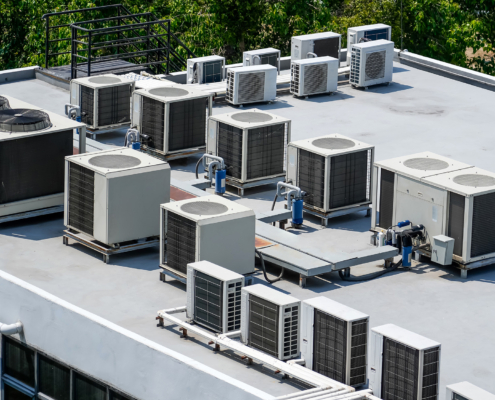 https://myrickmech.com/wp-content/uploads/2026/01/Signs-Your-Commercial-HVAC-System-Needs-Immediate-Repair.jpg
1250
2000
Abstrakt Marketing
/wp-content/uploads/2025/06/Logo.png
Abstrakt Marketing2026-01-29 15:04:362026-01-29 15:04:43Signs You Need to Call for Commercial HVAC Repair Before a Breakdown
https://myrickmech.com/wp-content/uploads/2026/01/Signs-Your-Commercial-HVAC-System-Needs-Immediate-Repair.jpg
1250
2000
Abstrakt Marketing
/wp-content/uploads/2025/06/Logo.png
Abstrakt Marketing2026-01-29 15:04:362026-01-29 15:04:43Signs You Need to Call for Commercial HVAC Repair Before a Breakdown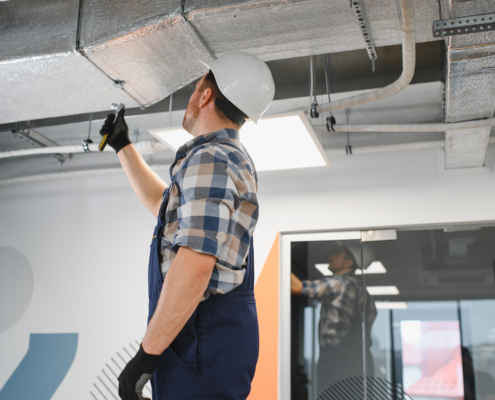 https://myrickmech.com/wp-content/uploads/2025/12/What-Does-a-Commercial-HVAC-Maintenance-Plan-Include_.jpg
1250
2000
Abstrakt Marketing
/wp-content/uploads/2025/06/Logo.png
Abstrakt Marketing2025-12-24 09:07:102026-03-13 14:28:09What Does a Commercial HVAC Maintenance Plan Include?
https://myrickmech.com/wp-content/uploads/2025/12/What-Does-a-Commercial-HVAC-Maintenance-Plan-Include_.jpg
1250
2000
Abstrakt Marketing
/wp-content/uploads/2025/06/Logo.png
Abstrakt Marketing2025-12-24 09:07:102026-03-13 14:28:09What Does a Commercial HVAC Maintenance Plan Include?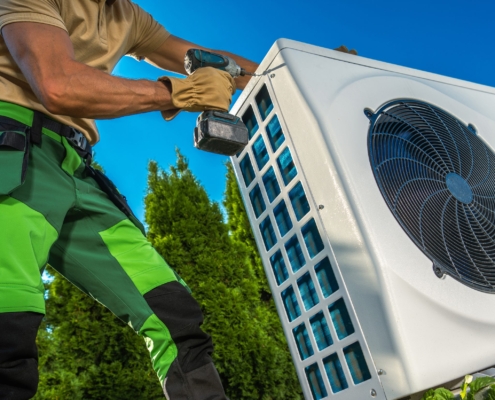 https://myrickmech.com/wp-content/uploads/2025/07/hvac-technician-installing-large-modern-heat-pump-2023-11-27-05-04-45-utc-scaled-1.jpeg
1651
2560
Xander Killebrew
/wp-content/uploads/2025/06/Logo.png
Xander Killebrew2025-07-17 19:20:282025-12-24 09:11:01Explore Eco-Friendly HVAC Options for Efficient and Sustainable Comfort
https://myrickmech.com/wp-content/uploads/2025/07/hvac-technician-installing-large-modern-heat-pump-2023-11-27-05-04-45-utc-scaled-1.jpeg
1651
2560
Xander Killebrew
/wp-content/uploads/2025/06/Logo.png
Xander Killebrew2025-07-17 19:20:282025-12-24 09:11:01Explore Eco-Friendly HVAC Options for Efficient and Sustainable Comfort